
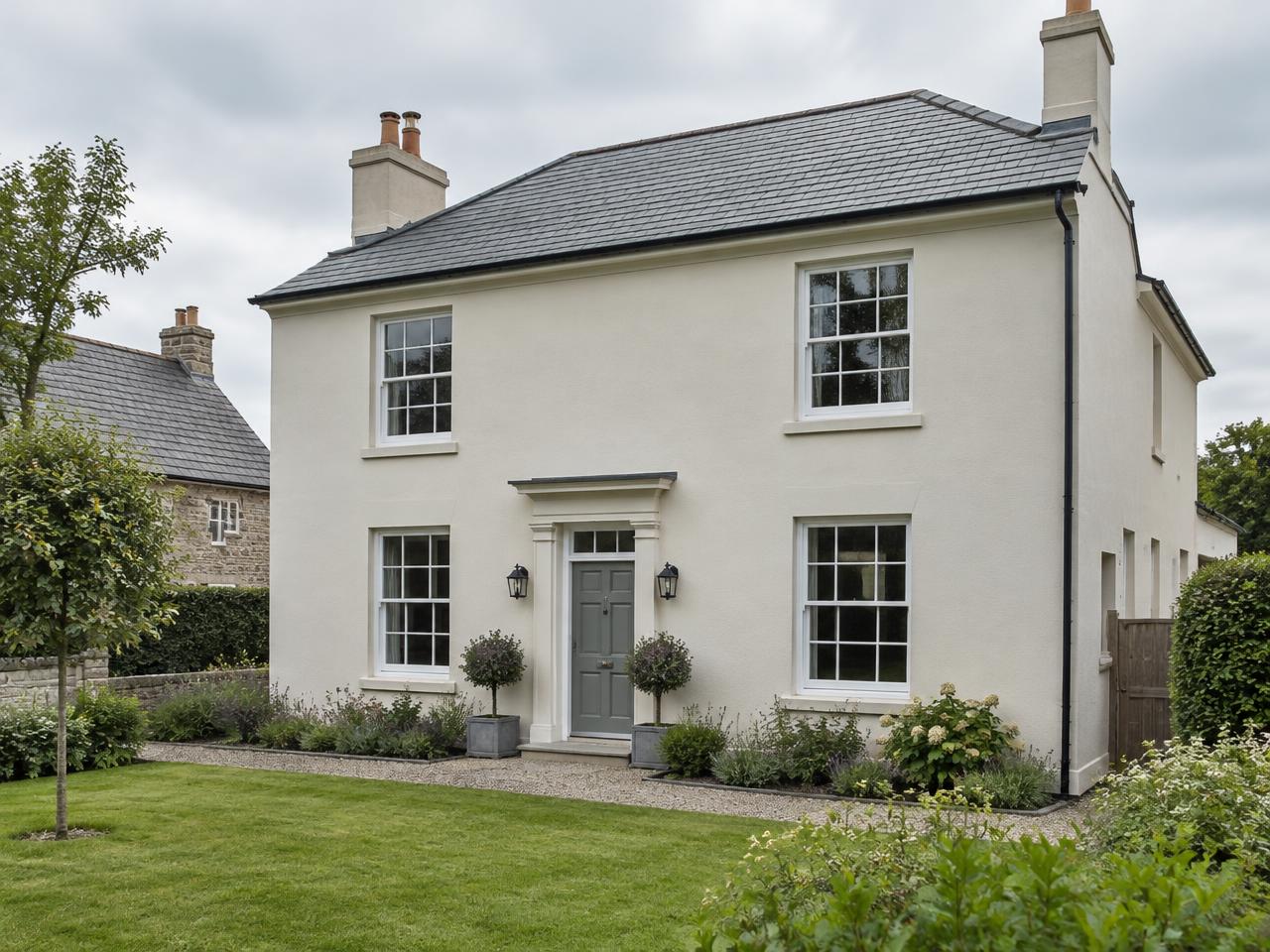
Where rendering is used
Render is applied to external masonry walls, often on properties built from blockwork that isn't intended to be left exposed, as well as on extensions designed with a rendered finish to match or contrast with existing brickwork. It's also used to refresh or replace failing render on older properties, and sometimes to improve the weather resistance of a wall that is suffering from penetrating damp due to defects in its original finish.
The choice of render system depends on the substrate, the exposure of the wall to weather, and in some cases the age and construction type of the building, since not every render suits every wall.
Why render fails and what causes damp behind it
Render can fail in several ways: cracking that allows water behind the render where it can't easily escape, debonding from the substrate causing hollow-sounding or bulging patches, and general erosion from long-term weathering. Once water gets behind a render, it can lead to damp patches appearing on internal walls, particularly where that moisture has nowhere to evaporate from.
Common underlying causes include cracked or poorly detailed render around openings, inadequate falls or copings allowing water to sit against the wall, blocked or damaged guttering directing water down the wall face, and in older solid-wall properties, modern cement-based renders applied over walls that were originally designed to breathe, which can trap moisture rather than let it evaporate. Identifying the actual cause of a damp patch, rather than just resurfacing the render, is important for a lasting result.
Rendering on different wall types
Rendering on modern cavity wall blockwork is generally more straightforward, since the substrate is designed to be rendered and typically well suited to standard sand-and-cement or modern render systems. Older solid-wall properties, common in parts of Aldershot's town centre and surrounding villages, need more care: traditional solid walls built in lime mortar or soft brick can be sensitive to modern hard cement renders, which don't allow the wall to dry out the way it was originally designed to.
On listed or older buildings, a more breathable, lime-based render system is often more appropriate, though any changes to the external appearance or fabric of a listed building would typically require Listed Building Consent, and that should be checked with the local planning authority before work is specified or agreed.
Preparing walls for rendering
Preparation includes removing any failing or loose existing render back to sound masonry, raking out defective pointing, cleaning the wall of dirt, algae or old paint that could affect adhesion, and in some cases applying a bonding or scratch coat depending on the substrate. Any existing cracks or defects in the masonry itself are addressed before rendering, since rendering over an unresolved structural crack will usually see that crack reflect through the new render over time.
Scaffolding or tower access is often required for rendering work, particularly on two-storey properties, and this needs to be factored into planning the job.
What to expect during a rendering project
Rendering is typically carried out in stages, with a base coat applied first and left to cure before a finish coat goes on, since rushing between coats can affect the final result. Weather conditions matter more for rendering than for internal plastering, as render needs suitable temperatures to cure properly and shouldn't be applied in frost or heavy rain, so timing can be adjusted around the forecast.
Once finished, render typically needs a period to cure before any further treatment, such as painting, is applied, and this timeframe depends on the render system used and the weather conditions during and after application.
Arranging a quotation
Rendering quotations depend on the size and height of the walls involved, the condition of the existing render or masonry, access requirements such as scaffolding, and the type of render system suited to the property. An on-site assessment allows these factors to be properly accounted for.
To discuss a rendering project in Aldershot or the wider Hampshire area, call PlastererAldershot on 07881 365851.