
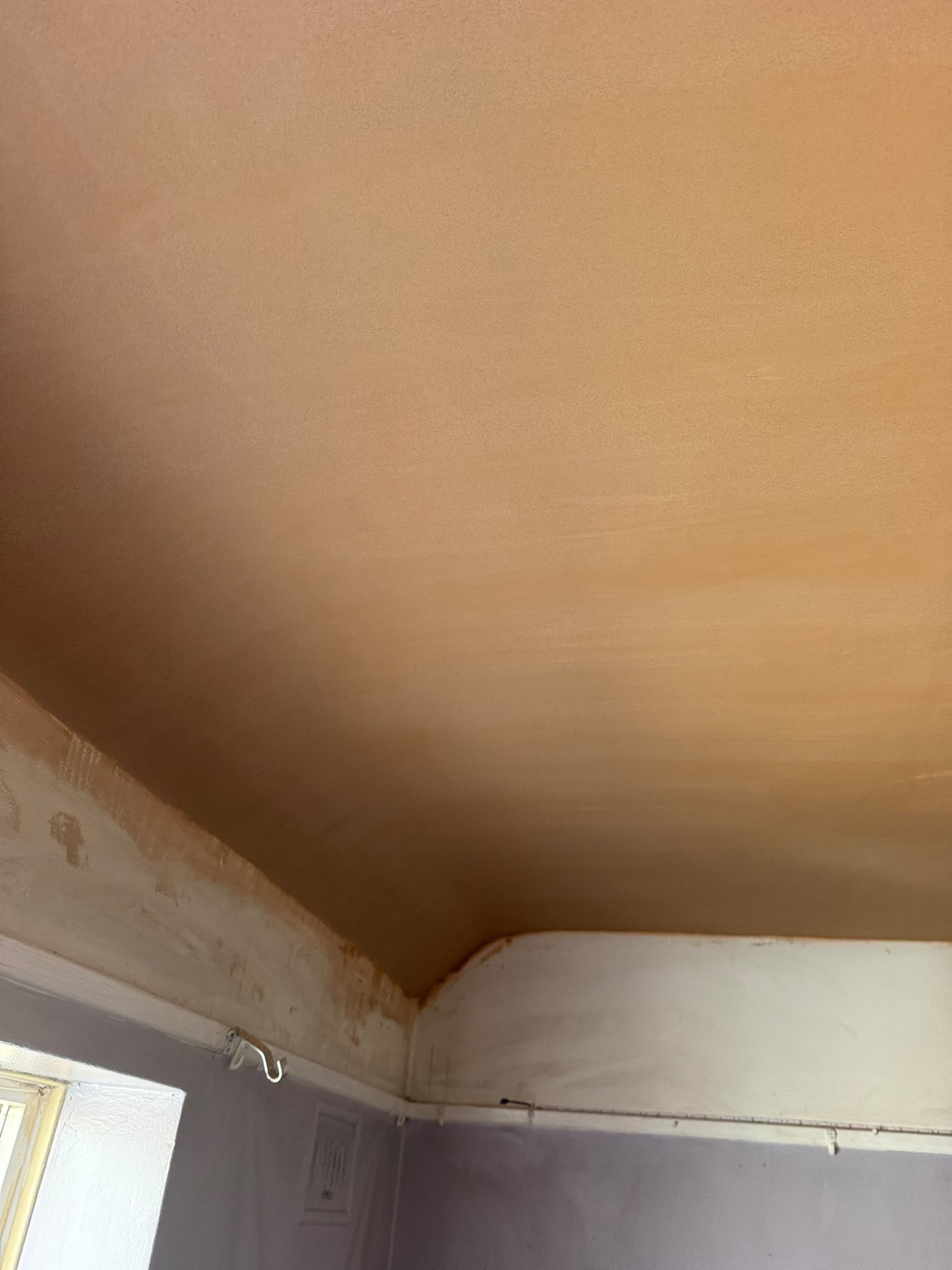
What coving and decorative plasterwork includes
Coving refers to the moulded strip fitted around the perimeter of a ceiling where it meets the wall, available in a range of profiles from simple coves to more ornate period-style designs. Decorative plasterwork more broadly includes ceiling roses (the circular decorative feature often found around a central light fitting), corbels, dado and picture rails formed in plaster, and more elaborate run or cast mouldings sometimes found in older or higher-specification properties.
Modern coving is commonly supplied as pre-formed lengths, often in plaster or a lightweight composite material, fitted with adhesive and finished with jointing compound, while more elaborate or bespoke decorative plasterwork, particularly matching period originals, may need to be formed or cast specifically for the job.
Why coving and decorative detail is chosen
Coving is often chosen to finish a room in keeping with a period property's character, to disguise minor imperfections at the wall-ceiling junction, or simply as a decorative preference in a new build or renovation. Decorative plasterwork, including ceiling roses and more elaborate detailing, is more often associated with restoring or complementing the character of an older property, particularly where other original features such as skirtings or architraves are still present.
In some cases, coving is also fitted to help conceal a slightly uneven junction between wall and ceiling, though it works best as a deliberate finishing choice rather than a fix for an underlying structural issue, which should be addressed separately if present.
Matching existing period plasterwork
Where a property has original decorative plasterwork, whether coving, a ceiling rose, or more elaborate mouldings, and part of it is damaged or missing, matching new work to the existing profile and detail takes careful assessment. This might involve taking a mould from an intact section of the original to replicate the pattern elsewhere, or sourcing a closely matching pre-formed product where an exact cast isn't practical or necessary.
On listed buildings, decorative plasterwork is sometimes considered part of the protected historic fabric, and removing, replacing or significantly altering it may require Listed Building Consent from the local planning authority. This should be checked before any work affecting original decorative features on a listed property is planned.
Preparing a room for coving or decorative work
Preparation typically involves ensuring the wall and ceiling surfaces where coving or decorative elements will be fixed are sound, clean and free of loose material, since coving relies on a secure bond to both surfaces. Existing decoration, such as wallpaper, is generally removed from the area being worked on, and any damaged plaster at the wall-ceiling junction is made good before new coving is fitted.
Where old or damaged decorative plasterwork is being removed to make way for new work, and that plasterwork has a textured surface or was installed historically, it's worth having it assessed before removal, since some older decorative and textured plaster coatings can contain asbestos and shouldn't be disturbed without that assessment.
What to expect during installation
Fitting pre-formed coving generally involves measuring and cutting lengths to fit the room, applying adhesive, fixing the coving in place, and filling and smoothing the joints between lengths and at corners so they read as continuous once painted. More elaborate decorative plasterwork, particularly bespoke or cast pieces, takes longer and may involve more stages, including curing time for cast elements before fitting.
As with other plastering work, any wet-finished joints or repairs around new decorative plasterwork need time to dry before painting, to avoid an uneven finish once decorated.
Getting a quotation
Quotations for coving and decorative plasterwork depend on the length and profile of coving required, whether matching or replicating existing period detail is involved, and the condition of the surfaces the work will be fixed to.
To discuss a coving or decorative plasterwork project in Aldershot or the surrounding Hampshire and Surrey area, call PlastererAldershot on 07881 365851.